

How to remove spray tan
So your gorgeous bronze glow has started to fade — and now you’re patchy, streaky, or a few shades more orange than planned. We’ve all been there. The problem? Most people grab a loofah and start scrubbing like they’re polishing a floor.
But here’s the thing: you don’t need to attack your skin to remove a spray tan. In fact, harsh scrubbing often makes it worse, leaving your skin red, uneven, and still blotchy in spots.
The secret to removing a spray tan easily — and safely — is understanding how the tan actually works on your skin and choosing gentle, skin-loving methods that lift color while nourishing your complexion.
In this guide, you’ll learn step-by-step how to remove spray tan without harsh scrubs, the best natural removers, when to re-tan, and how to prep your skin so your next glow looks even better.
Why Spray Tan Removal Requires Care
A spray tan isn’t like a surface stain — it’s chemistry. The color comes from DHA (dihydroxyacetone), which reacts with amino acids in your skin’s outer layer. That layer naturally sheds, and that’s how the tan fades.
So when you try to rush removal with gritty exfoliants or strong chemicals, you’re not speeding up the fade — you’re damaging your skin barrier.
Gentle removal means helping that layer detach naturally through hydration, mild exfoliation, and warmth, not friction.
Before You Begin: What You’ll Need
Here’s your easy, skin-friendly tan-removal toolkit:
- Warm (not hot) bathwater or shower
- Soft exfoliating mitt or microfiber cloth
- Oil-free body wash or mild baby shampoo
- Natural ingredients like baking soda, lemon juice, coconut oil, or aloe vera
- A nourishing moisturizer
- Optional: self-tan remover mousse or bath soak
Keep these ready — your skin will thank you.
Step 1: Soak to Soften the Color
Start with a 20-minute warm bath. Add a handful of Epsom salt or a few drops of gentle bath oil (no alcohol).
The warmth softens dead skin cells while the salts help loosen DHA pigment.
Avoid hot water — it dries the skin and can cause irritation.
While soaking, gently rub your skin with your hands in circular motions. You’ll notice the top layer start to lift naturally.
If you don’t have time for a bath, use a warm compress or steam in the shower instead.
You can learn more about prepping your skin before or after tanning in our related guide: How Long Does a Spray Tan Last? What You Need to Know Before You Glow
How to remove spray tan
Step 2: Use Natural, Gentle Tan Removers
Now that your skin is soft, skip the harsh scrubs and go for ingredients that dissolve the color instead of scraping it off.
1. Baking Soda and Lemon Mix
Baking soda lightly exfoliates, and lemon’s citric acid brightens dull areas.
Mix: 2 tablespoons of baking soda + 1 tablespoon of lemon juice + 1 teaspoon of water.
Apply with a soft cloth in gentle circular motions for 2–3 minutes, then rinse.
(Avoid this method if you have very sensitive or freshly shaved skin.)
2. Baby Oil or Coconut Oil
Oils are underrated tan removers. They break down the DHA pigment while restoring moisture.
Massage a small amount of baby oil or coconut oil into the skin, leave for 10 minutes, then rinse with warm water and mild soap.
This method is perfect for dry or mature skin, where scrubbing would only cause micro-tears.
3. Aloe Vera and Baking Soda Paste
Aloe vera calms irritation and cools inflamed skin, while baking soda gently exfoliates.
Mix aloe gel with a pinch of baking soda, apply for 5–7 minutes, then wipe away.
Your skin will feel soft, cool, and refreshed.
4. Steam & Exfoliating Mitt Combo
Steam your bathroom for a few minutes, then use a soft exfoliating mitt or microfiber cloth to glide over your skin.
This encourages dead skin to slough off naturally.
Always move in light, circular motions — never back and forth — to avoid streaks or redness.
How to remove spray tan
Step 3: Target Stubborn Patches
Elbows, knees, ankles, and wrists tend to cling to pigment longer.
To fix these dark areas:
- Soak a cotton pad in micellar water or makeup remover (without alcohol).
- Dab — don’t rub — the area for 30–60 seconds.
- Rinse and pat dry.
This dissolves remaining color without damaging delicate skin.
If the patch still holds, apply a gentle tan eraser mousse, like Bondi Sands Self Tan Eraser.
Step 4: Restore Skin Balance After Removal
How to remove spray tan
How to remove spray tan
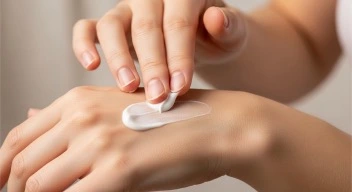
After any tan removal, your skin’s natural oils need replenishment.
- Apply a fragrance-free moisturizer immediately after rinsing.
- Look for formulas with aloe vera, shea butter, or glycerin.
- Avoid retinol, glycolic acid, or exfoliating acids for 48 hours.
This prevents irritation and preps your skin for your next tan session.
Step 5: Know When to Start Fresh
Once your tan looks even again — no dark spots, no patchy remnants — your skin is ready for a new glow.
Generally, it’s best to wait at least 24 hours after full removal before reapplying a spray or self-tan.
That gives your skin time to normalize its pH and avoid streaking from leftover oils.
If you’re planning your next tan, check out our in-depth care guide: How to Floss or Brush the Right Way: Detailed Oral Care Technique Guide.
How to Avoid Patchiness During Future Tans
The smoother your skin before application, the better your tan lasts — and fades evenly.
1. Exfoliate gently 24 hours before tanning.
Use a fine sugar scrub or an exfoliating mitt with mild body wash.
2. Shave or wax beforehand, not after.
Freshly shaved skin can absorb too much product, causing darker spots.
3. Moisturize daily.
Hydrated skin holds tan pigment more evenly and releases it gradually.
4. Skip oil-based lotions before tanning.
They create a barrier that blocks DHA absorption.
How to remove spray tan
Myths About Removing Spray Tan
Let’s clear up a few common misconceptions.
Myth 1: The harder you scrub, the faster it fades.
False — scrubbing only irritates skin and may leave uneven patches.
Myth 2: Alcohol-based wipes work best.
They do remove color — and your skin’s moisture. Skip them.
Myth 3: Hot showers speed up removal.
Hot water dehydrates the skin and can worsen streaks. Warm is best.
Myth 4: Toothpaste or vinegar can erase tan instantly.
Both are far too harsh for skin and can cause burns. Stick to safe, proven ingredients.
How to remove spray tan
When to See a Professional
If your spray tan still looks uneven after several gentle attempts or if you notice redness, bumps, or itching, it’s time for a professional solution.
Aesthetic clinics and salons offer pH-balanced tan removers that lift pigment without irritation.
These treatments often include light enzyme exfoliation or glycolic soaks customized for your skin type.
The Science Behind Gentle Tan Removal
Why do these methods work?
Because they respect the skin’s natural desquamation process — the way old cells shed. Instead of ripping away pigment, they accelerate renewal by hydrating the surface, loosening bonds between cells, and supporting barrier recovery.
According to Research Gate, controlled exfoliation using mild acids or natural oils is significantly safer than physical scrubbing for maintaining skin integrity.
Natural DIY Spray Tan Remover Recipes
If you love at-home care, here are a few extra recipes that gently erase tan while nurturing your skin:
1. Milk and Honey Soak
Mix 1 cup of whole milk with 2 tablespoons of honey in warm bathwater. Soak for 15 minutes.
Why it works: Lactic acid in milk dissolves dead skin cells while honey hydrates.
2. Oatmeal & Yogurt Mask
Blend 2 tablespoons of oatmeal with 3 tablespoons of plain yogurt.
Apply to patchy areas for 10 minutes, rinse gently.
Result: Softer skin and lighter pigment without irritation.
3. Apple Cider Vinegar Toner (Diluted)
Mix one part ACV with three parts water.
Apply with cotton pad for 30 seconds, rinse.
(Use sparingly — not for sensitive skin.)
How to remove spray tan
Hydration: The Secret Ingredient
Every method we’ve discussed works better when your skin is hydrated.
Drink water, use hydrating lotions, and avoid over-drying cleansers.
Remember — dry skin flakes unevenly, causing patchy fading. Hydration helps your tan fade like a sunset, not like peeling paint.
Gentle Tools That Work
Here are a few skin-safe tools worth keeping around:
- Exfoliating gloves: Mild texture, great for gradual fading.
- Silicone body brush: Non-abrasive and easy to clean.
- Soft microfiber cloth: Perfect for delicate skin areas.
Avoid pumice stones or rough body scrubs — they can damage healthy skin.
When Not to Remove Your Spray Tan
Sometimes patience pays off. Don’t attempt removal if:
- You’ve had your tan less than 48 hours (the color is still developing).
- Your skin is sunburned or irritated.
- You’ve used strong exfoliating acids recently.
Give your skin a break, then follow the gentle process later.
How to Maintain a Natural Glow After Removal
You don’t need to walk around pale while waiting for your next tan. Try:
- Gradual tanners: Lightly tinted lotions add warmth over time.
- Bronzing body oils: Provide instant glow for special events.
- Tinted moisturizers: Hydrate while giving subtle color.
These keep your skin luminous without re-applying DHA right away.
How to remove spray tan
The Bottom Line
Removing a spray tan doesn’t have to feel like a battle between your skin and a loofah. When you understand that your tan lives in the top layer of skin — and that your body naturally sheds that layer — removal becomes simple.
Warm water, hydration, gentle ingredients, and a little patience do more than any harsh scrub ever could.
So the next time your tan starts to fade unevenly, skip the sandpaper approach and treat your skin kindly. You’ll erase the color, not your glow — and your next tan will look even smoother.
Because real radiance begins with healthy skin, not aggressive exfoliation.