

Why are my teeth sensitive ?
You sip your morning coffee, and suddenly—ouch!—that sharp jolt in your tooth feels like a lightning bolt straight to your nerves. Sound familiar?
You’re not alone. Millions of people experience tooth sensitivity, but few truly understand why it happens or how to fix it for good.
Here’s the good news: sensitive teeth aren’t something you just have to “live with.” They’re a signal—your teeth and gums are trying to tell you something. And when you learn to listen, you can protect your smile, your comfort, and your confidence.
In this guide, we’ll unpack why your teeth are sensitive, what’s really going on under that enamel, and how to soothe and strengthen your smile safely. Whether your discomfort comes from cold drinks, sweet foods, or even brushing, you’ll finally understand what’s happening—and what to do about it.
Let’s dig into the truth behind tooth sensitivity and how to end that wince once and for all.
What Does Tooth Sensitivity Feel Like?
If you’ve ever felt a sudden flash of pain when drinking ice water or eating something hot, that’s tooth sensitivity. It can feel like:
- A sharp, shooting pain that disappears quickly
- A dull ache that lingers after eating or brushing
- Tingling in one or more teeth
It’s often triggered by temperature, sweetness, acidity, or pressure—but the real problem lies deeper than that quick sting.
The Science Behind Tooth Sensitivity
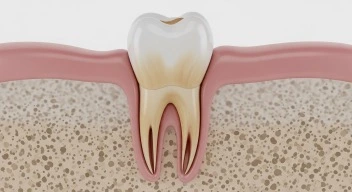
Your teeth aren’t solid bone; they have layers.
- Enamel — the hard, protective outer layer
- Dentin — the softer, porous layer beneath
- Pulp — the nerve center that keeps the tooth alive
When enamel wears down or gums recede, dentin becomes exposed. Dentin contains tiny tubes that connect directly to your tooth’s nerves.
Cold air, heat, or sugar can travel through those tubes and hit the nerve endings—causing that unmistakable pain.
If this keeps happening, it’s your mouth’s way of saying: “Hey, something’s off here.”
Why are my teeth sensitive ?
Common Causes of Sensitive Teeth
Why are my teeth sensitive ?
Why are my teeth sensitive ?
Let’s break down the main reasons your teeth might be protesting. Some are lifestyle-related, while others need a dentist’s care.
1. Brushing Too Hard or Using the Wrong Toothbrush
It might sound ironic, but brushing “too well” can harm your teeth.
Hard bristles or aggressive brushing wear away enamel and push gums back—exposing sensitive dentin underneath.
Switch to a soft-bristled toothbrush and use gentle circular motions instead of forceful back-and-forth strokes.
For detailed technique help, check our guide: How to Floss or Brush the Right Way: Detailed Oral Care Technique Guide
2. Gum Recession
As gums recede (pull back), they expose the roots of your teeth, which have no protective enamel.
Recession can result from:
- Brushing too hard
- Gum disease (gingivitis or periodontitis)
- Genetics or aging
Once roots are exposed, even a light breeze can trigger pain.
If you’ve noticed longer-looking teeth or darker areas near the gumline, gum recession might be to blame.
You can also learn more about gum health here: How to Tell If You Have Gum Disease — What You Need to Know About the Early Signs
3. Enamel Erosion from Acidic Foods and Drinks
Citrus fruits, sodas, wine, and even tomato-based sauces can slowly dissolve enamel over time.
This process—acid erosion—thins your protective layer and exposes dentin.
Try limiting high-acid foods and rinse with water after consuming them.
Avoid brushing right after eating acidic foods; it spreads acid deeper into enamel. Wait 30 minutes before brushing.
4. Teeth Grinding (Bruxism)
Grinding your teeth—often at night—can flatten and crack enamel. You may not even realize you’re doing it.
Symptoms include:
- Morning jaw pain or tightness
- Headaches
- Worn or chipped teeth
If you suspect grinding, ask your dentist about a custom night guard. It cushions your teeth and prevents further wear.
5. Tooth Decay or Cavities
When bacteria form plaque and eat through enamel, they create cavities that reach dentin. Once that layer is exposed, your nerves become vulnerable.
Regular checkups and professional cleanings catch these problems before they worsen.
6. Gum Disease
Gum inflammation causes swelling, bleeding, and, eventually, gum loss around the teeth.
When gums shrink, roots are left exposed—making your teeth extremely sensitive.
Treating gum disease early can reverse damage and stop sensitivity from spreading.
If you suspect gum issues, schedule a dental exam. You can also read our full oral-care section on gum health for prevention insights.
7. Whitening Treatments
Many whitening gels or strips use peroxide, which can penetrate enamel and irritate nerves.
If you’ve recently whitened your teeth, mild sensitivity is normal—but if it lingers, use a desensitizing toothpaste and reduce whitening frequency.
8. Recent Dental Work
Fillings, crowns, or deep cleanings can temporarily inflame nerves. Usually, this sensitivity fades within a few days. If it lasts longer than two weeks, your dentist may need to adjust your bite or inspect the area.
Why are my teeth sensitive ?
Hidden Triggers You Might Not Expect
Sometimes, sensitivity isn’t caused by enamel loss but by subtle habits we overlook.
- Mouth breathing: Dry air dehydrates enamel and irritates gums.
- Overuse of mouthwash: Many formulas contain alcohol or acids that increase sensitivity.
- Frequent snacking: Constant acid exposure gives teeth no time to recover.
- Misaligned bite: Uneven pressure strains certain teeth more than others.
Why are my teeth sensitive ?
Awareness is your first line of defense. Adjusting small habits can make a big difference in comfort.
How to Treat Sensitive Teeth
Why are my teeth sensitive ?

Why are my teeth sensitive ?
Now that you know the causes, let’s explore what you can do—at home and professionally—to calm that sting and strengthen your enamel.
1. Desensitizing Toothpaste
These toothpastes block nerve signals within dentin tubules.
Look for ingredients like potassium nitrate or stannous fluoride.
Use consistently—results usually appear after two weeks.
Avoid rinsing immediately after brushing; let the formula sit for protection.
2. Fluoride Treatments
Your dentist can apply high-concentration fluoride varnish or gel to reinforce enamel.
You can also use over-the-counter fluoride rinses for daily protection.
Fluoride strengthens enamel by forming a mineral barrier that resists acid erosion.
3. Gum Grafts
If gum recession is the cause, your dentist might recommend a gum graft, which restores lost tissue and covers exposed roots.
This reduces sensitivity and protects against further damage.
4. Bonding or Sealants
For exposed dentin, a dentist can paint a thin layer of resin or sealant over the area, acting as a shield against hot and cold triggers.
5. Night Guards
Custom mouthguards protect against nighttime grinding, a major cause of enamel wear.
They also reduce jaw tension and prevent headaches associated with bruxism.
6. Root Canal (for Severe Cases)
If the nerve inside a tooth is irreversibly damaged, a root canal may be necessary.
It sounds intimidating, but the procedure removes the nerve source of pain while keeping your tooth intact.
Why are my teeth sensitive ?
Home Remedies That Actually Help
While professional care is key, some home habits support healing and reduce discomfort.
1. Warm Saltwater Rinses
Saltwater neutralizes bacteria and soothes inflamed gums. Mix ½ teaspoon salt in a cup of warm water, rinse for 30 seconds, and spit.
2. Avoid Extreme Temperatures
Let coffee or tea cool slightly before sipping, and avoid chewing ice.
3. Switch to a Soft Brush
Soft bristles clean effectively without stripping enamel.
4. Hydrate Often
A dry mouth increases acidity. Drink water throughout the day to maintain saliva balance.
Why are my teeth sensitive ?
Diet Tips to Reduce Sensitivity
Your diet plays a huge role in tooth comfort and enamel strength.
Do Eat:
- Leafy greens (rich in calcium)
- Cheese, milk, and yogurt (enamel-strengthening minerals)
- Crunchy fruits and veggies (stimulate saliva)
Avoid or Limit:
- Citrus, sodas, and vinegar-based foods
- Sticky sweets
- Sugary energy drinks
Balancing pH through smart food choices supports long-term enamel protection.
Why are my teeth sensitive ?
When to See a Dentist
You should book a dental visit if:
- Pain lingers longer than 30 seconds after a trigger
- Sensitivity affects multiple teeth
- You notice gum changes, bleeding, or swelling
- Over-the-counter toothpaste isn’t helping after 4 weeks
Persistent sensitivity can point to deeper problems—like cavities, cracks, or infections—that only professional diagnostics can solve.
River Place Dental recommends routine dental exams twice a year for early detection and personalized treatment.
Why are my teeth sensitive ?
Preventing Future Sensitivity
- Brush twice daily with gentle pressure
- Floss carefully each night
- Limit acidic or sugary foods
- Use fluoride regularly
- Get professional cleanings
- Address teeth grinding early
Consistency is key. The more you maintain healthy enamel, the less often sensitivity returns.
Why are my teeth sensitive ?
The Emotional Side of Tooth Sensitivity
Beyond the discomfort, sensitivity affects how you enjoy life—your coffee, your smile, even your confidence in public.
The good news? Almost every cause is treatable once identified.
By understanding the “why,” you give yourself the power to act—rather than react to pain.
Your smile deserves that care.
Why are my teeth sensitive ?
The Bottom Line
Tooth sensitivity isn’t random. It’s your mouth’s way of asking for help.
Whether caused by enamel wear, gum recession, or lifestyle habits, most cases improve dramatically with the right approach—gentle care, fluoride protection, and consistent oral hygiene.
Don’t ignore those tiny shocks of pain; they’re early warnings that can save you from bigger dental issues later.
Listen to your teeth, treat them kindly, and your next sip of coffee might finally feel as smooth as it should.